The story behind MPCEN’s proposed CCN Heritage & Innovation Lab
For more than a decade, my work has taken me across Pakistan and beyond as a wildlife filmmaker, climate communicator, multimedia environmental education researcher and National Geographic Certified Educator. I have travelled with a camera, met communities living on the frontlines of environmental change, documented wildlife and landscapes, and tried to bring stories that often remain unseen to a wider audience.
But over the years, one question has stayed with me: What happens after I put the camera down?
Making a film can create awareness. A photograph can move people. A story can bring attention to a place that has been ignored for years. But what happens to the people whose lives we document? Can storytelling also help create opportunities, strengthen local livelihoods and give communities the tools to shape their own futures?
What the coast taught me
Some of the most important lessons came from the coastal districts of Sindh — Badin, Thatta and Sujawal — where I saw how seawater intrusion, changing ecosystems and climate pressures are affecting communities. Through my work around the WWF Indus Delta Eco-Region Landscape, I witnessed both the scale of the challenges and the determination of people trying to adapt.
I met communities experimenting with ways to retain seawater in managed ponds and develop fish farming, reducing some of the pressure on people who depend on going out to sea. I saw how solar energy could support livelihoods in practical ways, including solar-powered sewing machines that allow women to stitch traditional clothing. Along the coast, in places such as Gwadar, Pasni and Jiwani, traditional boat-making, fishing-net making and other skills are part of a living relationship between people and the sea.
These were not simply stories of hardship. They were also stories of knowledge, ingenuity and local solutions. They made me think differently about the role of media. We should not only document vulnerability; we should also help make visible the ideas, skills and initiatives that communities are building themselves.
I have travelled across much of Sindh and along Pakistan’s coastline, from Jiwani to the far reaches of Badin near the Indian border. Those journeys have given me relationships with people on the ground and a continuing connection to the changes taking place in their communities and ecosystems.
Chitral: a new direction for the idea
In June, I travelled to Chitral with my close friend Bilal Mustafa. I came away with a much deeper appreciation of the region: its valleys, languages, landscapes, heritage and the knowledge held by the people who live there. The figures shared with us — 17 valleys and 14 local languages — only hint at the cultural diversity of this remarkable area.
What stayed with me was not only the beauty of the mountains. It was the people: artisans, craftspeople, carpenters, farmers, young people and students at the University of Chitral who were curious about digital filmmaking, content creation, tourism storytelling and new ways to connect their skills with wider markets.
I began to see a possibility. What if a young person in a remote valley could learn to produce a good tourism film for a local guesthouse? What if an artisan could present their work online and reach customers beyond their village? What if a family could responsibly offer a homestay experience and manage enquiries through digital tools? What if local communities could build their own digital record of their culture, knowledge and changing environment?
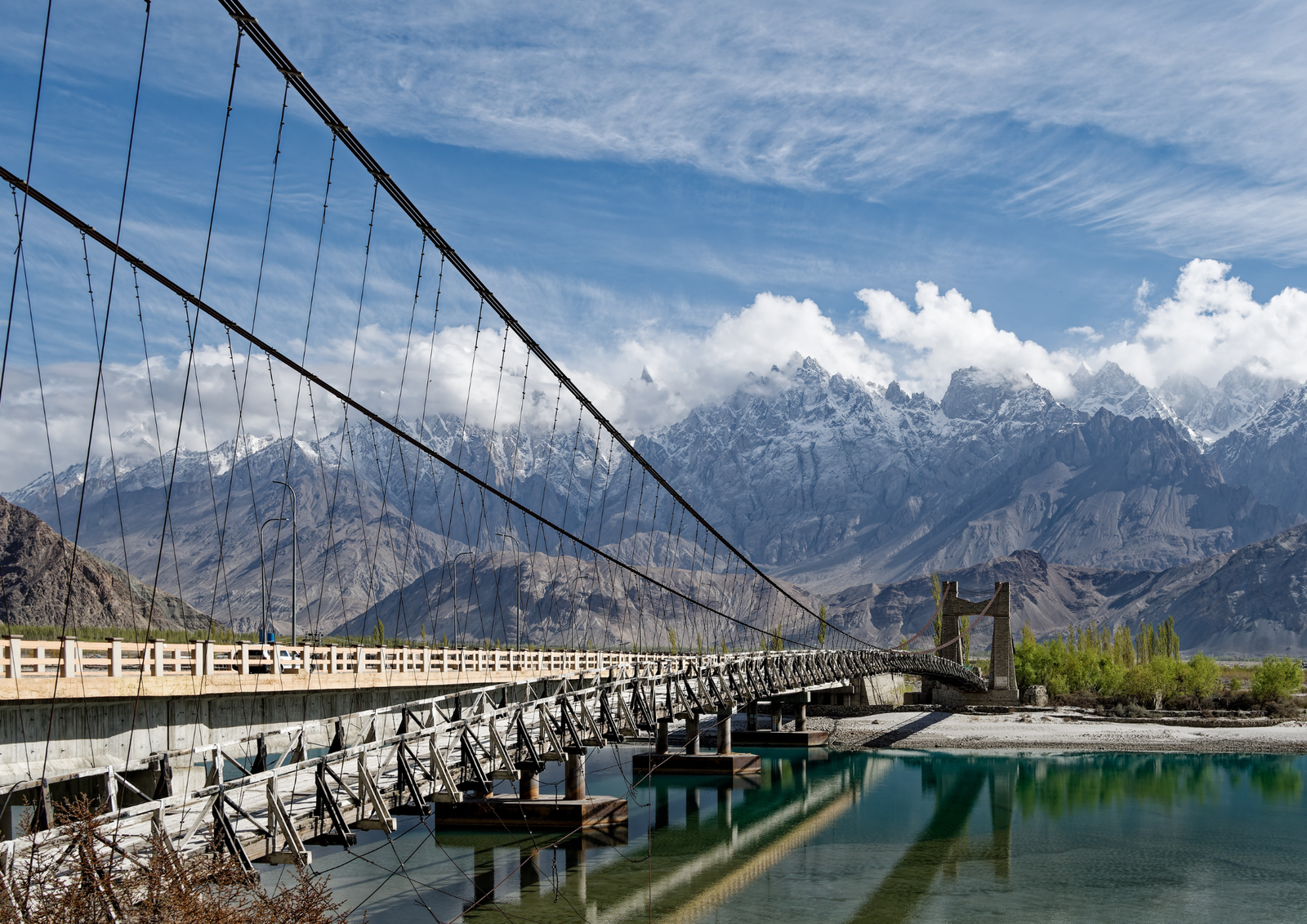
From documenting communities to creating opportunities
This is where the idea of a Culture, Climate and Nature (CCN) Heritage & Innovation Lab began to take shape. The aim is not to arrive in a valley with a ready-made programme and tell people what development should look like. It is to work with communities, understand what they already know and do, and help connect that knowledge with practical tools, skills and opportunities.
I see two connected areas of work.
1. Digital entrepreneurship and local livelihoods
Many communities already have valuable products, skills, places and experiences. What they may lack is access to digital platforms, market connections, product presentation, photography, basic business tools or the confidence to reach customers.
The Lab would explore practical training and support that helps artisans present and sell their work, young people offer digital services, and households market responsible homestay and ecotourism experiences. It could help local makers tell the story behind a product, improve how it is photographed and described, and connect it with audiences and buyers. The purpose is not technology for its own sake. It is to help people create additional income while keeping value and decision-making closer to the community.
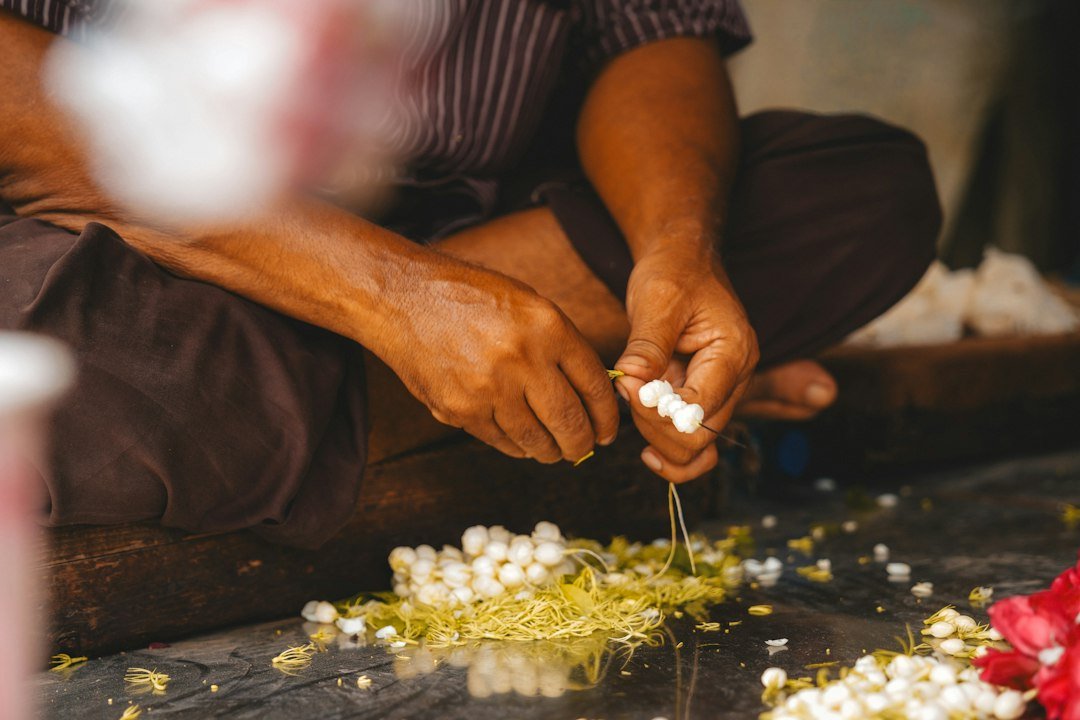
2. Community-led storytelling and digital heritage
For too long, stories about remote communities have often been told by people who visit briefly, collect footage and leave. I want to help change that relationship. Young people and community members should have the skills and equipment to document their own lives, landscapes, traditions and priorities.
Training in photography, video, editing, audio, digital publishing and responsible use of emerging tools can help create a new generation of local storytellers. Their work can become a living digital archive — preserving languages, oral histories, traditional skills, architecture, food, music, farming knowledge and memories of a changing climate. It can also help communities communicate their own priorities to researchers, institutions, visitors and decision-makers.
For me, this is not about replacing professional filmmakers or researchers. It is about widening who gets to hold the camera, who decides what matters and who benefits when a story reaches an audience.
Why culture, climate and nature belong together
Culture, climate and nature are often treated as separate subjects. On the ground, they are inseparable. A changing river or coastline affects livelihoods, food, migration and memory. A changing climate can put pressure on traditional farming and seasonal knowledge. When young people leave a valley because they cannot find opportunities, skills and languages can become harder to sustain. At the same time, cultural knowledge can offer insight into how communities have adapted to their environments over generations.
That is why the Lab brings these themes together. Heritage should not be frozen in a museum or reduced to a tourism product. It should remain part of everyday life, evolve with communities and contribute to dignified livelihoods.
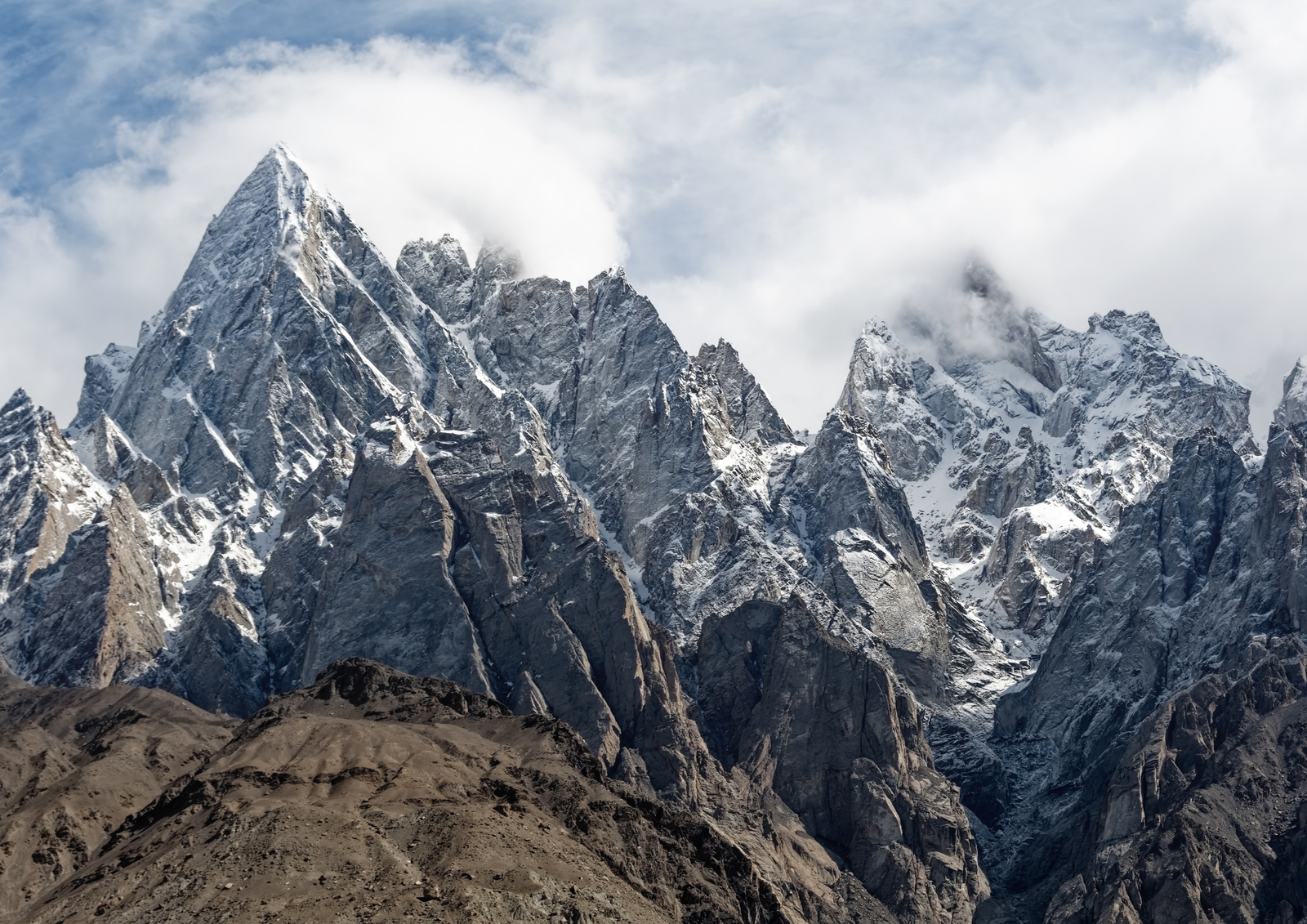
A wider vision across Hazara and the Hindu Kush
As the idea developed, I began thinking beyond one valley or one district. The proposed initiative — which we have been exploring under the working idea of a Hindu Kush–Hazara Climate Innovation Lab — could connect communities across Hazara, including Mansehra, Abbottabad and Haripur, with communities in the Hindu Kush and neighbouring mountain landscapes, including Chitral, Shandur, Ghizer and Yasin Valley.
Remote places such as Broghil remind us how easily communities can remain outside the reach of opportunity and representation. The ambition is to build a network that links local knowledge and community priorities with universities, researchers, creative practitioners and international collaborators, while ensuring that communities remain partners rather than subjects of the work.
I have been fortunate to develop these ideas through conversations with Dr. Zainab Khalid, a postdoctoral researcher at the University of Bonn, Germany, and through the Beyond Climate Collaborative, particularly its work around media, climate migration and climate immobilities. These conversations have helped connect the practical questions emerging from fieldwork with a wider research and collaboration agenda.
Starting with a pilot, learning with communities
This is still a developing initiative. The next step is to work with local partners and communities to identify priorities, select a practical pilot location and co-design activities that respond to what people actually need. That could include digital skills workshops, community storytelling, documentation of local heritage, support for artisan and household enterprises, and partnerships with educational institutions.
We will need local organisations, universities, researchers, educators, creative professionals, technology partners and funders who are willing to work collaboratively and patiently. We also need to be careful about consent, ownership of cultural knowledge, fair compensation and how community-generated stories and data are used.
At MPCEN, our work has always connected communication, education, awareness and action. This initiative is an attempt to take that approach further: from telling stories about communities to building the conditions in which communities can tell their own stories, strengthen livelihoods and shape the future of their heritage.
The question I keep coming back to
When I travel through a coastal village or a mountain valley, I see extraordinary knowledge and creativity. I meet young people with ideas, craftspeople with skills, families adapting to difficult conditions and communities trying to hold on to what matters while navigating change.
I do not want the camera to be the end of my engagement with these places. I want it to be one of the tools that helps begin something more lasting.
Imagine a young person in Chitral creating films that bring their valley to the world. Imagine an artisan reaching a fair market for their work. Imagine a community preserving its language and knowledge in its own voice. Imagine local tourism that creates income without eroding the culture and landscapes that make a place special.
That is the possibility I want to explore through the CCN Heritage & Innovation Lab. Not a project that arrives with all the answers, but a platform built with communities — one that connects culture, climate, nature, creativity and opportunity.
— Syed Hasnain Raza
Founder & Director, Media Project on Conservation, Environment & Nature (MPCEN)
About the initiative: The CCN Heritage & Innovation Lab is a proposed, community-centred initiative being developed by MPCEN. Its pilot design, locations, partnerships and activities will be shaped with local communities and collaborators.